
“No Place to Grow Old:” A Community Conversation About Aging and Housing Solutions
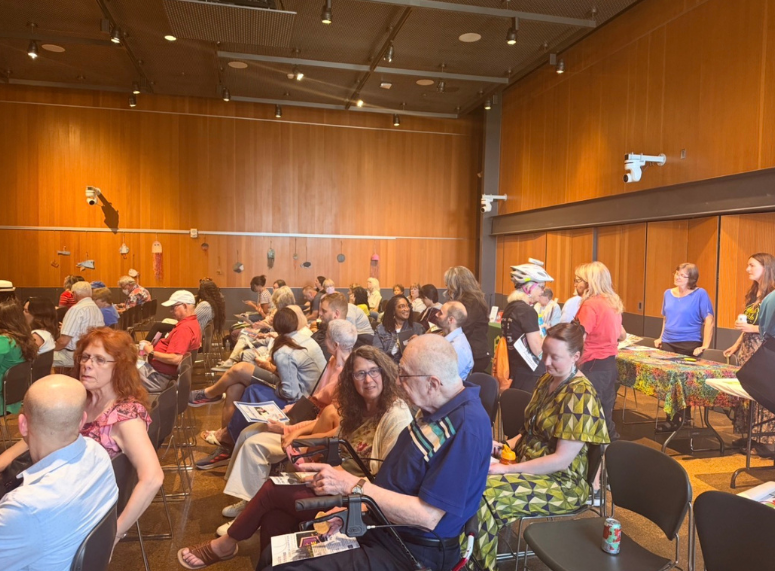
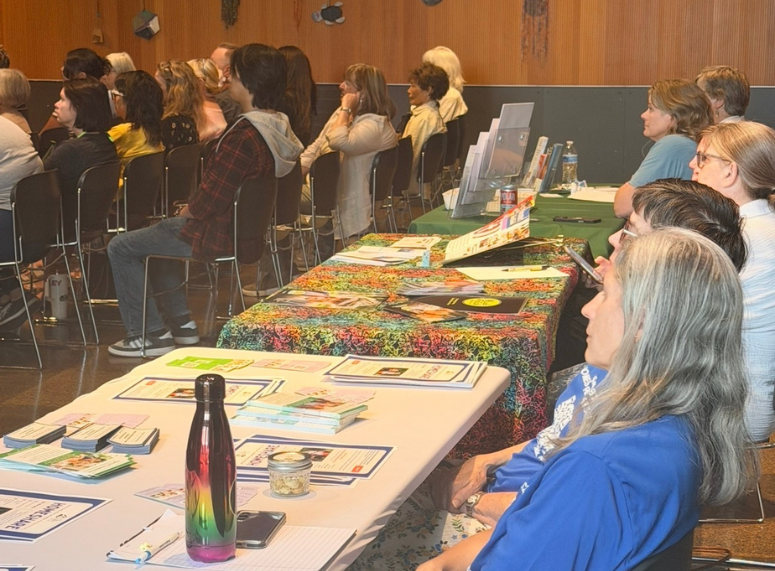
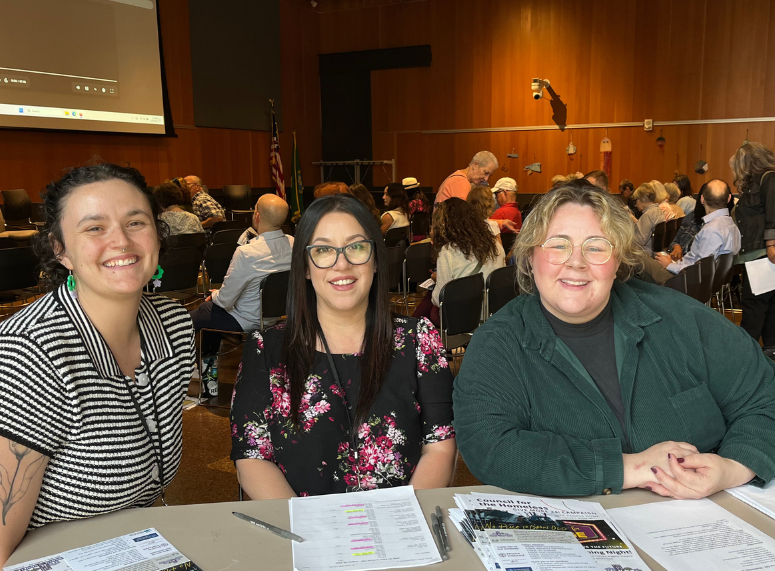
More than 70 community members gathered inside the Columbian room at the Vancouver Community Library on August 26 for an afternoon of storytelling, education, and conversation about one of our community’s challenges: ensuring that our aging neighbors have a safe and stable place to call home.
Council for the Homeless (CFTH) partnered with the Fort Vancouver Regional Library to host a screening of “No Place to Grow Old,” a documentary that follows three older adults who experienced homelessness for very different reasons. Their stories offered a powerful reminder that homelessness can happen to anyone and the path there is often shaped by circumstances beyond an individual’s control.
This event was part of our community education series.
“Whether we’re unpacking the complexities of law and changes at a governmental level, debriefing our annual homelessness data, or centering human experiences behind the housing crisis, our community education events are designed to bring neighbors and community leaders together to build understanding, create connection, and inspire action” said CFTH CEO Sesany Fennie-Jones.
The documentary brought those experiences into sharp focus. One woman described how her rent nearly doubled while her husband faced job loss. They moved into their van, only to have it towed, leaving them to live in a tent. When her husband passed away, it was then that she decided she needed to be housed again. She spoke of friends and neighbors who also died while living outside.
“Hope is so much more than just a word,” she shared. “For some it’s a lifeline.”
Another person in the film was a homeowner and explained how a “predatory” loan to pay for maintenance on his house more than doubled his payment, going from $830 per month to more than $2,000 a month. He couldn’t maintain the drastic increase and the bank foreclosed on his home. Although devastated, he continued to work hard, maintaining multiple jobs despite living on the streets.
Another person in the film shared how he used humor as his form of strength in navigating a lifetime of hardship and homelessness. He shared,
“I can either laugh or cry, and I choose to laugh.”
He also shared his zest for life. He said he wants to live, he wants to be here, that he’s terrified of dying and doesn’t want to die while living on the streets. In the film, it was stated that homelessness is shortening life expectancy by 28 years; 49 years old is the average lifespan.
The people featured in the film demonstrated resiliency, dignity, and an enduring belief that something better is possible. Their stories did not simply illuminate a crisis; they reminded viewers of the humanity that persists through it.
Watching this film provided a heavy yet hopeful look at homelessness and because of this, our Chief Advancement Officer Charlene Welch guided the audience through a grounding pause before transitioning the event to a panel discussion focused on local solutions to carry the hope forward.
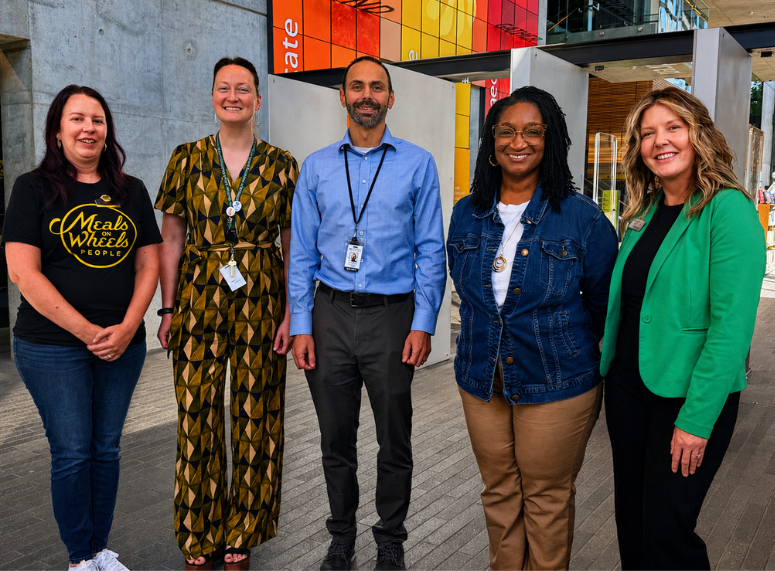
The panel featured local leaders, including Sesany Fennie-Jones of Council for the Homeless, Andy Silver of the Vancouver Housing Authority, Margaret Westervelt of Area Agency on Aging + Disability, Debra Bartnik of Meals on Wheels, and panel moderator Amy Reeves of OnPoint Community Credit Union.
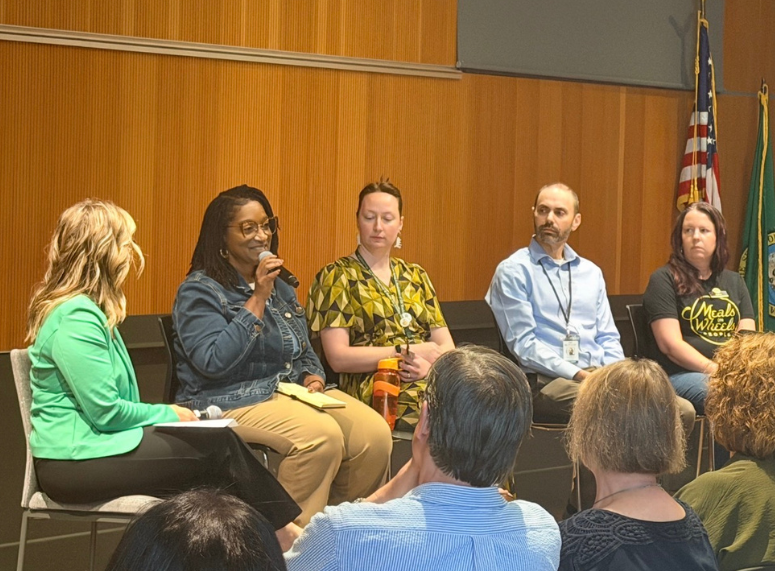
Sesany reacted to the film stating that
“being unseen on the streets is unacceptable,”
in reference to one participant’s description of her experience of being seen and unseen at the same time. Sesany shared that our Annual System Numbers Report shows there were more than 1,100 seniors experiencing homelessness in Clark County in 2025.
“People are being priced out, especially seniors with fixed incomes,” she adds.
Panelists emphasized that housing is only one piece of the puzzle.
“Fixed income does not keep up with inflation,” Margaret shared. “When people are aging into homelessness, more than home costs are affecting their liveliness: healthcare costs, food costs, and the cost of daily living.”
“Basic needs in older adults are not being met,” Debra added. “The cost of housing increases, so the money people have to spend at the grocery store suffers making it more challenging to make a healthy meal, so nutrition declines.”
“Affordable housing is foundational for community well-being,” Andy shared. “We really need our federal government to do more, fund programs proven to help people get housed and stay housed.” He also stated, “we all want this community to be the best place to live, raise our children, and age in place.”
Amy shared for seniors,
“it’s the isolation; when you’re aging you want to be around people and accessibility can suffer.”
Panelists urged the audience to stay informed, to volunteer, give resources, and do their part as we are all in this together. It was stated that what might often look to the community as lack of collaboration is really a lack of resource level. Andy states,
“there’s a tremendous amount of collaboration in this community.”
And Sesany adds,
“we do well with sharing each other’s resources and collaboration is one of Council for the Homeless’ founding principals that we uphold and value still, today.”
In responding to what policies can improve, the answer was simple
“flexible funding streams,” Sesany states. “We need our funders and donors to know we’re doing great work and to trust we’re doing the best we can with getting folks housed.”
In reflection, Amy Reeves states,
“the solutions are within reach when we listen to those experiencing homelessness and the experts providing supportive services, work across organizations, and make sure people are not left to navigate these challenges alone.”
Council for the Homeless is grateful to the Fort Vancouver Regional Library for partnering with us on this important event. Thank you to our panelists for sharing their expertise in a much-needed conversation. Thank you to the event sponsors: Home Instead, HomeShare Works, Immanuel Lutheran Church, and Molina Healthcare.
Together, we can challenge stigmas, elevate the voices of lived experience, and work toward a community where growing older doesn’t mean aging without a home.
Support our mission to prevent and end homelessness in Clark County, get involved today:
Donate—join the Welcome Home Giving Circle or give to our Give More24! Campaign
Volunteer—we’re about to enter our annual event season, so email our Development Associate Autumn Connolly to sign up at aconnolly@councilforthehomeless.org
Be Curious—continue to learn; get connected and stay up to date by signing up for our monthly newsletter and joining our advocacy email list.
We are grateful to be in community with you!
