
EXTENDING DR. KING’S VISION:
Racial Healing, Community Care, and the Path to Ending Homelessness
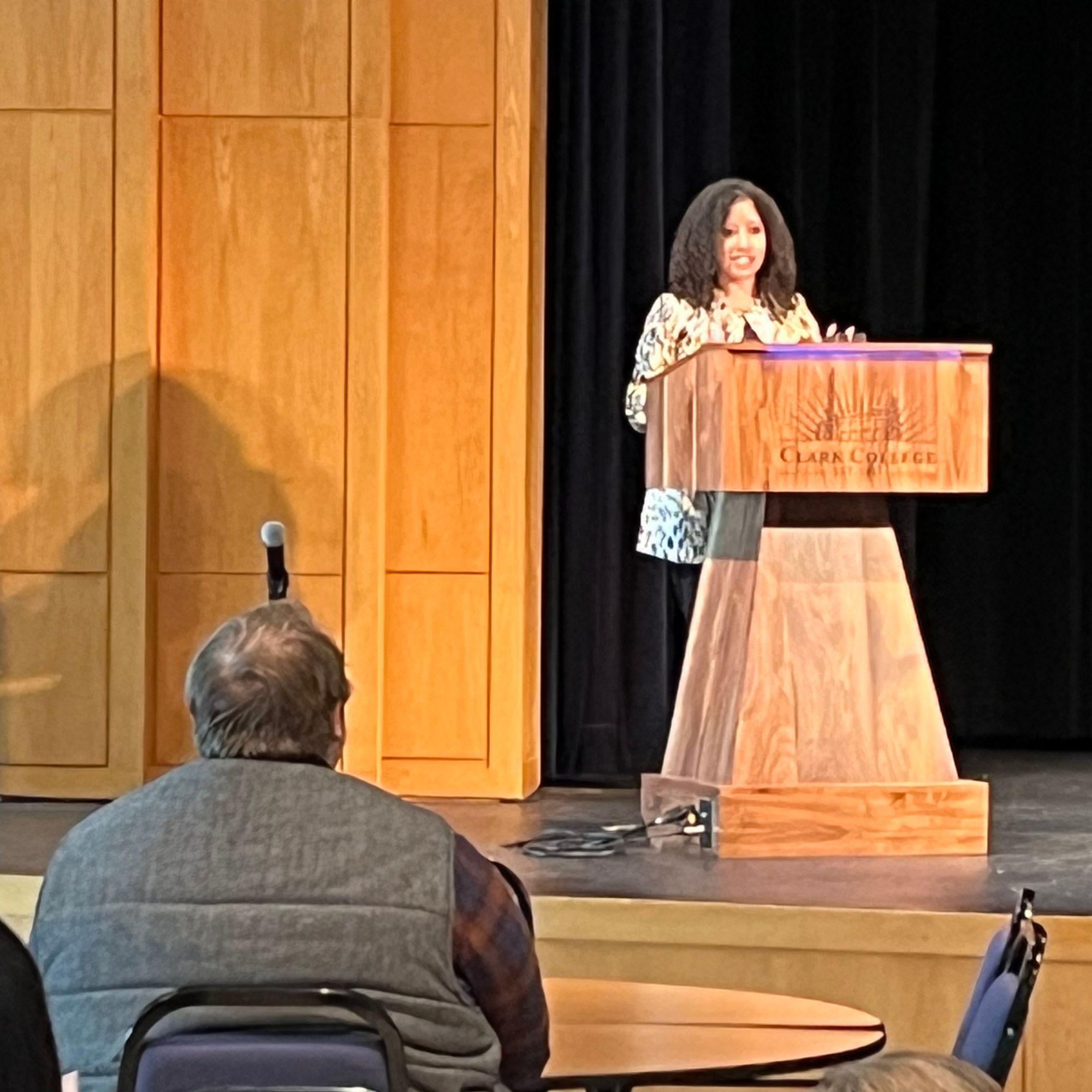
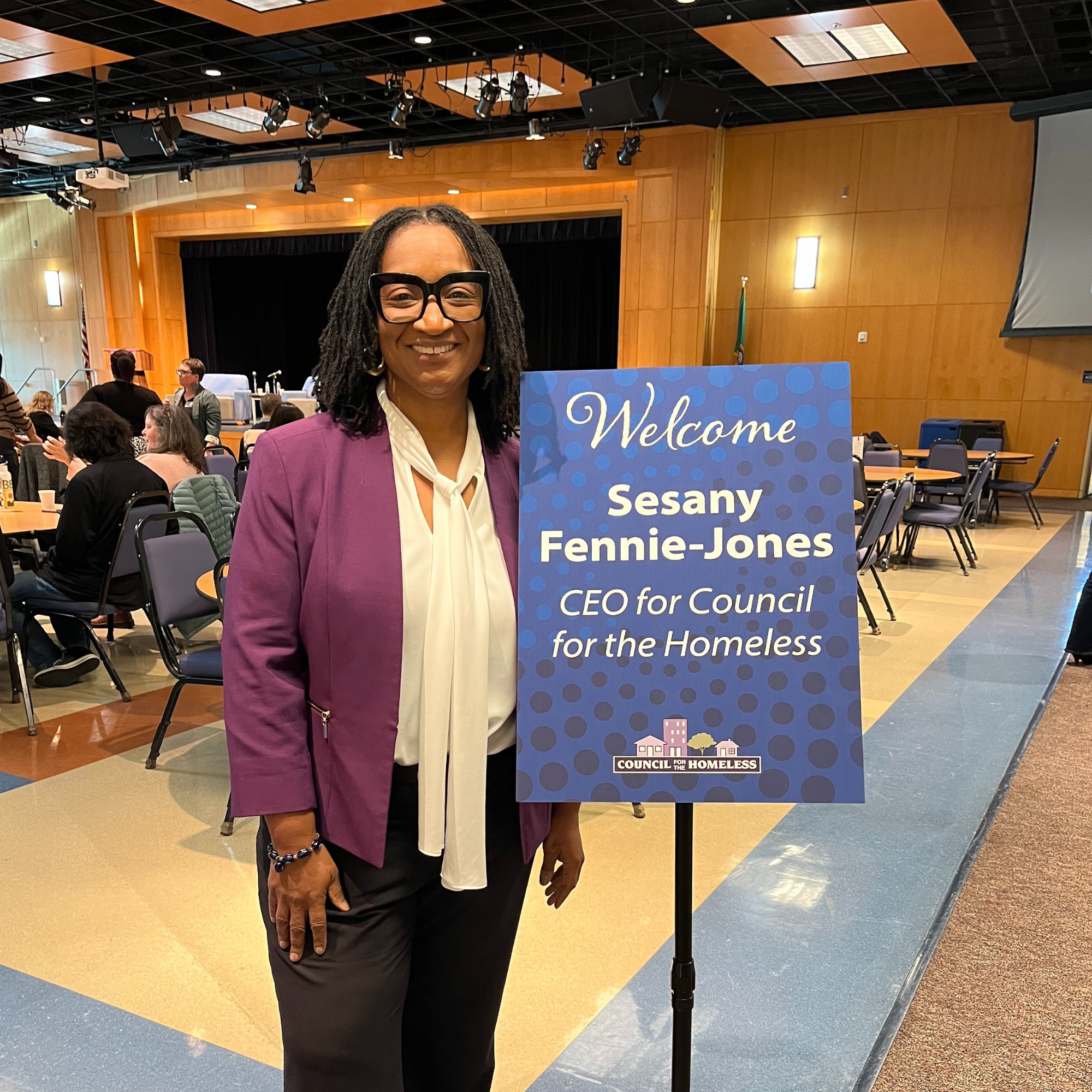
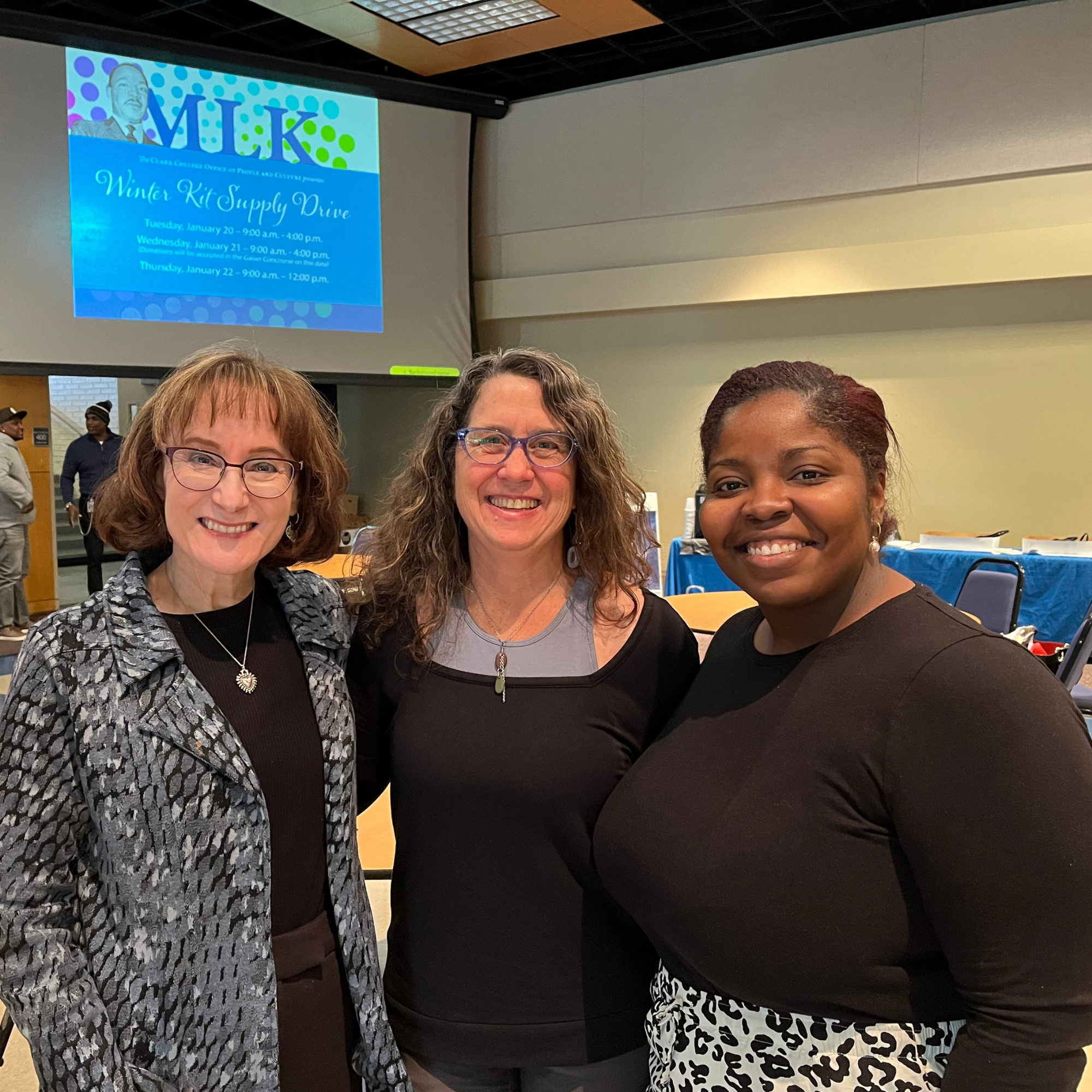
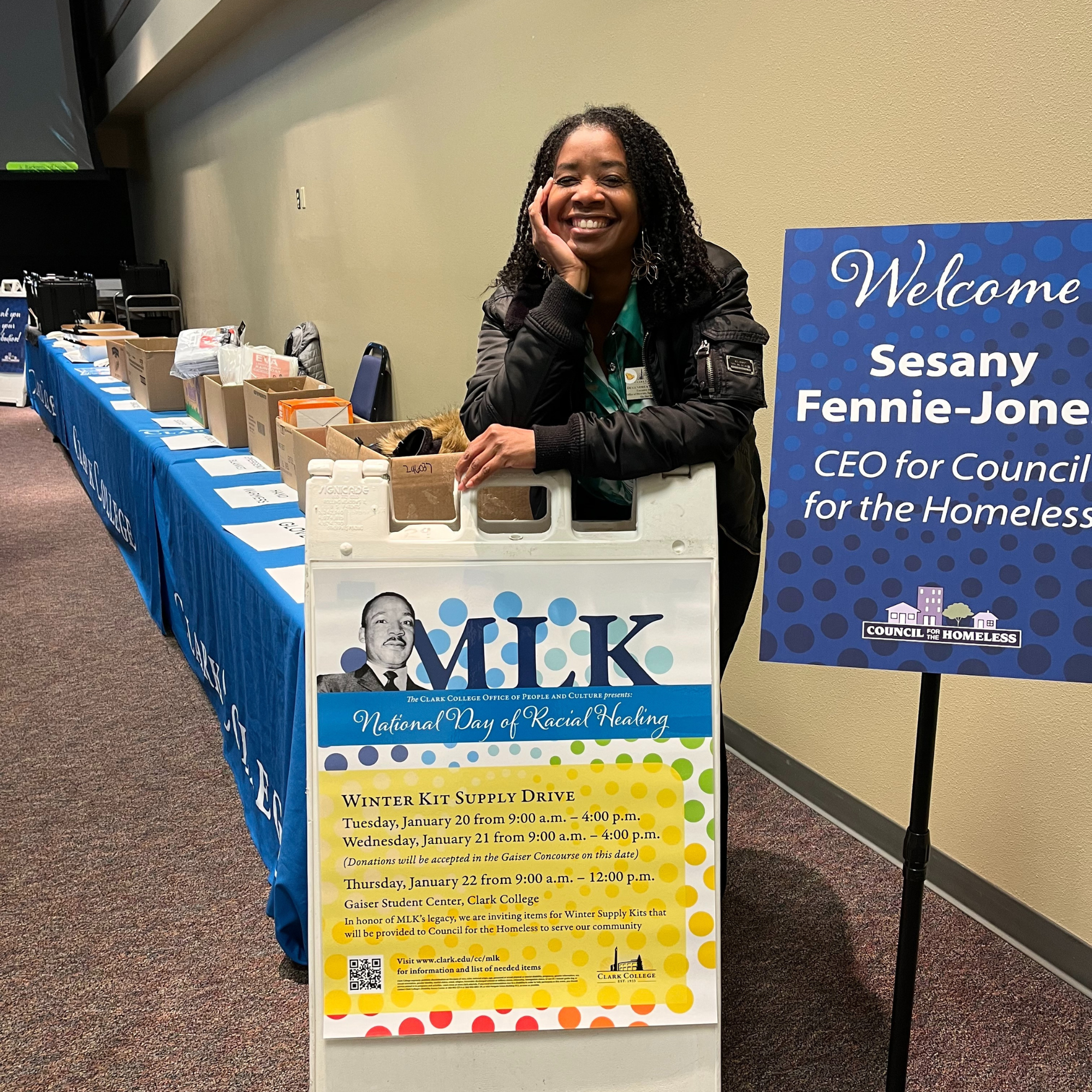
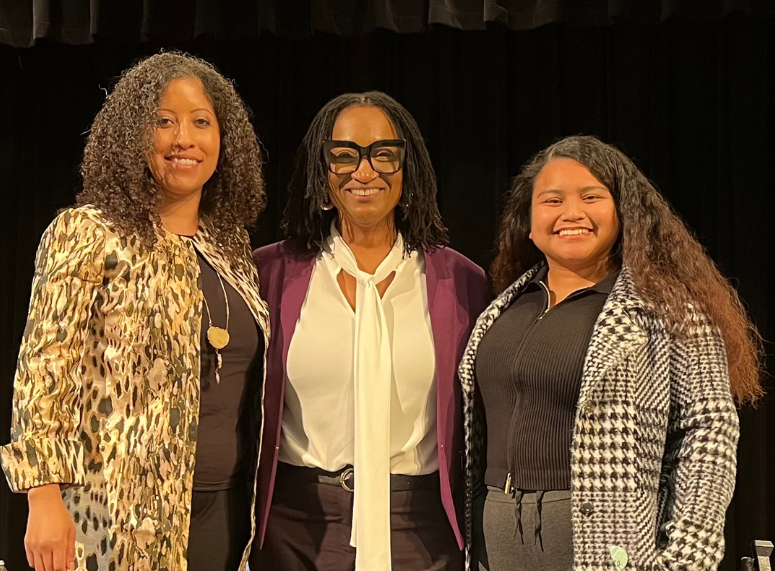
Last month, Clark College hosted a Community Resource Conversation in observance of the MLK National Day of Racial Healing on January 20, 2026, bringing together campus and community members for a powerful dialogue on justice, care, and belonging. Presented by the Clark College Office of People and Culture, the event featured a panel discussion with Council for the Homeless CEO Sesany Fennie-Jones and Care & Engagement Coordinator Gemma-Noelani Somol, moderated by Vanessa Neal, vice president of people and culture at Clark College.
Neal opened the conversation by grounding the event in Dr. Martin Luther King Jr.’s vision for justice, emphasizing education, collective responsibility, and concrete action as pathways toward racial healing. From there, the panel explored how racial healing is deeply interconnected with the realities of homelessness.
Sesany shared that homelessness is not a single moment of crisis, but a layering of compounded trauma. The loss of housing often coincides with the loss of relationships, income, dignity, hope, and a sense of agency. Healing, she emphasized, takes time and requires both community support and professional care. Without compassion and sustained engagement, people can lose hope entirely.
Gemma underscored the importance of naming the systems that make people vulnerable to homelessness in the first place. Race impacts how people are seen, heard, and treated — often carrying generational trauma rooted in colonization and systemic exclusion. While it may feel safer to remain passive, she noted that true healing and justice require action, even when that action carries risk.
Both panelists challenged common misconceptions about homelessness, particularly the assumption that substance use disorder causes people to lose housing. Sesany explained that research shows the opposite is often true: People turn to substances as a way to cope with the trauma of surviving without shelter, safety, or dignity. Dehumanizing narratives ignore the full humanity and actual experiences of people facing homelessness.
The conversation also addressed policies that perpetuate housing instability, including racialized housing practices, zoning restrictions, lack of affordable childcare, barriers created by the criminal justice system, and the growing use of camping bans. These policies send clear messages about who is, and is not, welcome in a community. They often compound to make it harder for people to end their homelessness and find a safe and affordable home.
When asked what gives them hope, both speakers returned to love and collective care:
“Love is innate,” Sesany shared. “If we continue to care, we will find a way to end homelessness.”
Gemma echoed that hope, reminding attendees that many people care deeply and that louder, divisive voices should not distract from shared humanity.
Call to action…
The discussion concluded with a call to action to show up, vote, advocate, empower one another, and lead with love. Sesany and Gemma reminded us that racial healing is not passive, it is practiced every day, together! Please join our monthly newsletter and advocacy lists to stay up to date on Council for the Homeless events and community impact.
