Bridge to Stability: Walking Alongside Our Neighbors with Care and Engagement
At Council for the Homeless (CFTH), housing isn’t the finish line — it’s just the beginning. Nearly a year and a half ago, we launched the Special Projects Department, designed to create initiatives to address specific populations and/or gaps in the Homeless Response System. One gap we know exists is the limited amount of support for seniors and people with disabilities. Out of this awareness came the Bridge to Stability Program staffed by care and engagement coordinators who utilize a people-centered approach to long-term housing stability.
Bridge to Stability is a two-year initiative, funded by a grant provided by Area Agency on Aging and Disability of Southwest Washington, to learn what the outcomes can be when we utilize a care and engagement model. Program participants are identified through the CFTH housing assessment, which identifies a household’s eligibility for housing assistance resources and the type of program that gives them the best chance of success.
“When we receive referrals for the program, staff hold an initial intake conversation to get a sense of what the client’s goals are and develop a plan for how they will work together,” says Maya Hendin, special projects manager. “This initial meeting is crucial to building trust, report, and create a personalized plan based on the needs the client has identified.”
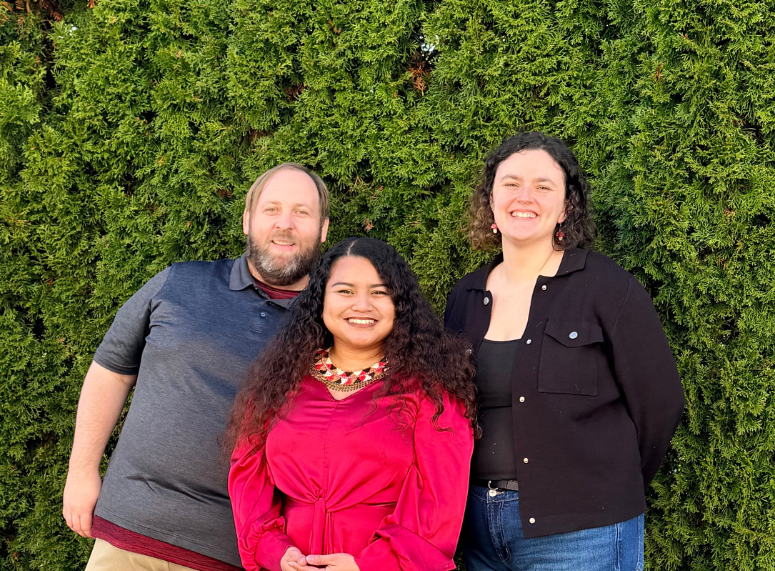
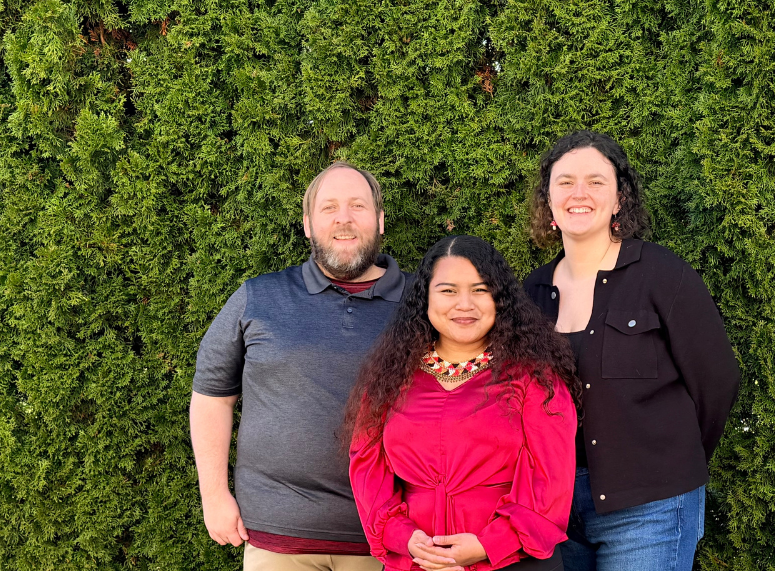
CFTH staff pride themselves on their work being relational:
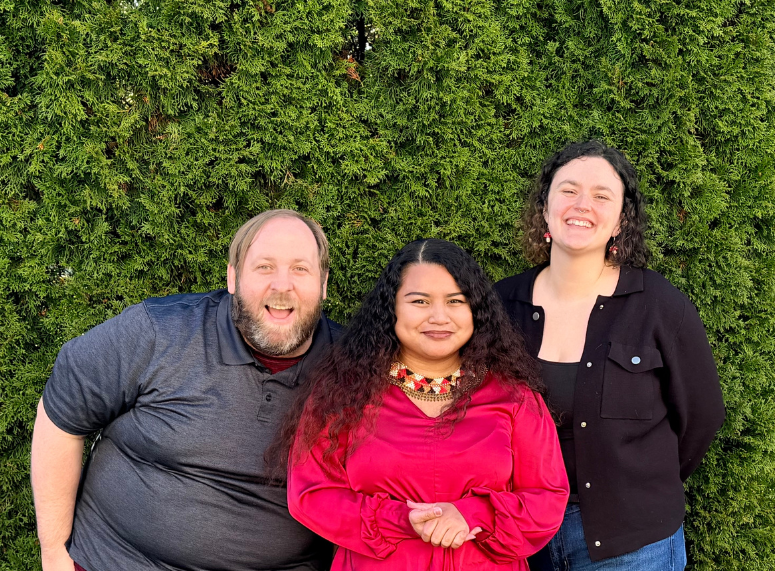
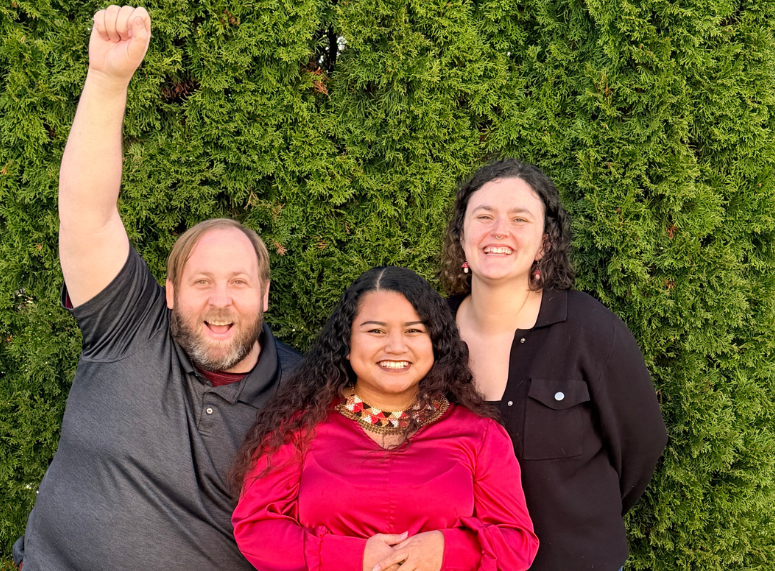
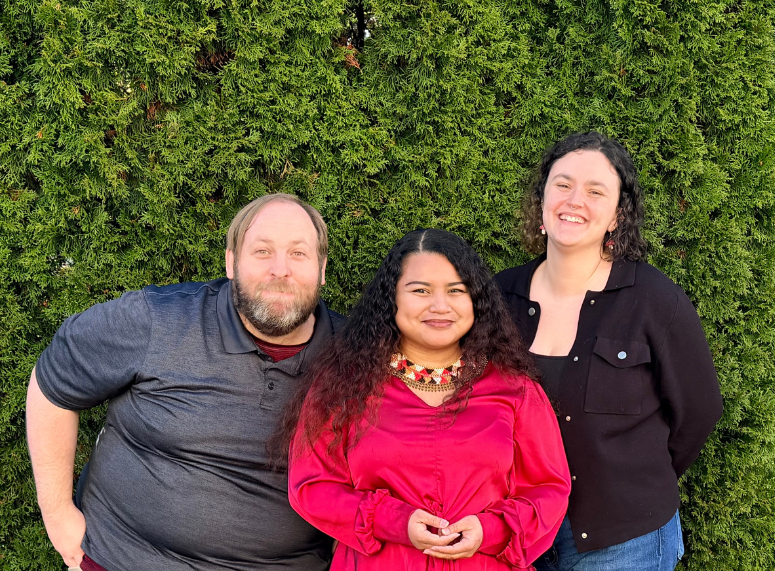
“I give my time and my heart to this work; it’s emotional, physical, and spiritual,” states Gemma-Noelani Somol, care and engagement coordinator. “What makes our work successful is consistently treating our community members in need of support with respect they deserve. We replace judgement with understanding and empathy, because that is what builds a more collective and sustainable community.”
Gemma is a dedicated community member and advocate, in addition to her role at CFTH.
“Community is home and our work here sheds light on forgotten communities within,” she shares. “To understand care and engagement, you have to understand the people we support and the community they’re in.”
For Joey Potter-Utley, another care and engagement coordinator, this philosophy has been central throughout his career:
“I’ve been in the homeless response field for 15 years because the work is needed. We meet people where they’re at and respect the challenges they want to prioritize,” he shares.
Joey illustrates this approach perfectly with a story:
“A client was facing multiple crises at once, but their immediate concern was their belongings in a storage unit. Rather than insisting on addressing other pressing issues first, I sat with my client and allowed them space to address the issue that preoccupied their mind,” Joey shared. “Allowing them space and helping them decipher what the options were with this concern was crucial in being able to move on to tackle other challenges threatening their housing stability.”
This work is about letting the client lead their journey, which builds a stronger level of trust.
“I’m proud to work for Council for the Homeless for the last three years, because compassion and racial equity is at the forefront of how we’re addressing homelessness. This is invaluable and why this job keeps me here in the Pacific Northwest instead of moving back to Louisiana.”
The Special Projects Department’s philosophy extends beyond the programs alone, it shapes how staff approach their work and self-care.
“We’re a small team, but leadership supports us in a way that allows us to hold a lot,” Gemma reflects. “This culture, and with the leadership of our manager, ensures we can offer consistent, compassionate support without burning out.”
Care and Engagement is both a role and a framework for Council for the Homeless. The work is relational, trauma-informed, culturally aware, and grounded in the community at large and within the specific communities our clients inhabit.
Through our Bridge to Stability Program, we illuminate gaps in the system that often leave the most vulnerable behind. Disabilities (both visible and invisible) are recognized, and every client is approached as a whole person. The team’s work demonstrates that long-term housing success is built not just on keys to an apartment or new home, but on trust, connection, and genuine human care.
“People need to feel like they belong to the community, and they need the community to see them, too,” Joey emphasizes.
It’s this philosophy that turns houses into homes and helps neighbors not just survive but thrive. At Council for the Homeless, care and engagement is the bridge that makes stability possible.
Continue building community with us.
Join the Welcome Home Giving Circle and be a steady force for change in our community. Your monthly gift provides reliable, ongoing support for programs like Bridge to Stability—helping ensure that every neighbor has a safe, stable place to call home.